
Start outside the front door. Before you judge the rooms, look at the road in, the neighbouring properties, the land around the site and what could change near it. Those details decide how a Barbados home feels to live in and how easy it is to sell later, and most of them never appear in a listing.
Key points
- The approach matters: road condition, gradient, shared driveways and who maintains a private road.
- Look at how neighbouring homes are used. A busy holiday rental next door is a different life from a private family home.
- Ask what is being built nearby, or has permission to be, before you fall for the house.
- Check for signs of water: gullies, low ground and drainage, especially after heavy rain.
- On the coast, salt air and the condition of the beach in front tell you about upkeep and long-term costs.
- Buyers pay no fee for this. The seller pays the agent’s commission.
What should I look at on the way in?
The drive to the property is part of the property. A narrow lane with no passing places, a steep unmade track or a driveway shared with several neighbours can all become daily irritations, and they affect how guests, staff and deliveries reach you. If the road is private, find out who owns it and who pays to repair it. Your attorney can confirm access rights, but the questions start when you arrive.
Notice what you pass. A busy junction, a bus route, a bar or a construction yard nearby will shape noise and traffic far more than the finish of the kitchen.
What do the neighbours tell me?
Look over the walls. Are the homes around you lived in, let as holiday rentals or empty for most of the year? Each brings something different: life and security, turnover and noise, or quiet with less oversight. In a managed community, the estate rules on rentals and building work matter as much as the house itself, so read them before you get attached.
Then look for change. Cleared land, survey pegs, a half-built shell or a planning notice on a fence all tell you the setting may not stay as it is. If the view is part of the price, our guide on whether a view can be protected covers what to check.
What about water, wind and the sea?
Barbados has a rainy season, roughly June to November, and heavy downpours can move a lot of water quickly. Walk the boundary. Gullies, low corners, water stains on walls and blocked drains are worth asking about. A home that sits well in the dry season can behave differently in a storm.
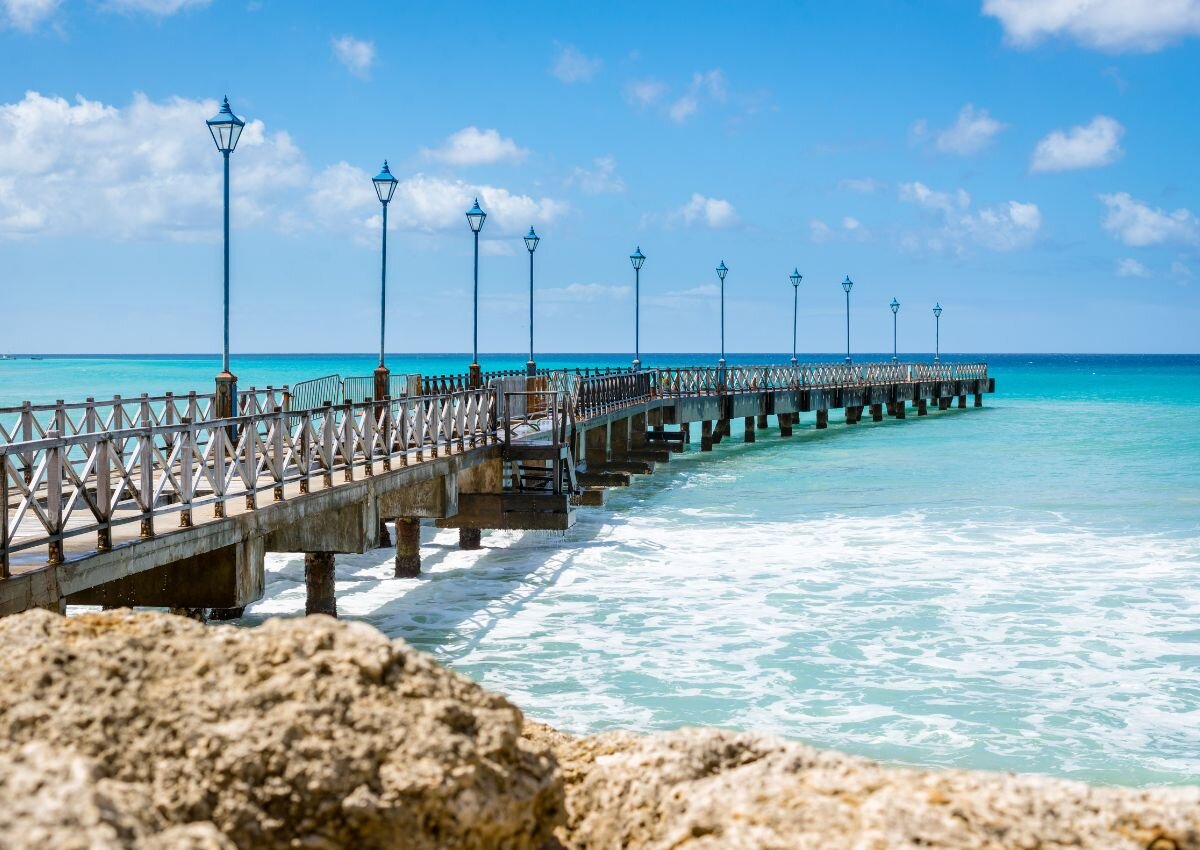
Near the sea, look at railings, window frames, air-conditioning units and pool equipment. Salt air is hard on metal, and its condition shows how well the home has been maintained. Ask how the beach in front changes through the year; some stretches of coast shift with the seasons and the swell.
Mike’s view
When we arrive at a viewing, I am not looking at the house yet. I am looking at the road, the gate, the walls next door and the empty plot across the way. Buyers usually do the opposite, and by the time they think about the surroundings the decision has already been made. My job is to raise the awkward questions while you are still deciding: who uses that lane at night, what is planned on that land, what happens here in a heavy storm. Some answers will not matter to you and some will. Either way, you decide with your eyes open, and the price you offer reflects what is really there.
Related guides
- How can I shortlist Barbados properties before travelling?
- West Coast Barbados communities compared
- Do I need a buyer’s agent in Barbados?

Mike has lived in Barbados for 10 years and spent more than 25 years in international sales, including as Head of Sales at The Crane Resort and Royal Westmoreland. He acts only for buyers, and you pay no fee because the seller pays the agent’s commission.
Last reviewed November 2026
WhatsApp MikeThis is general information, not legal, tax or financial advice. Confirm the details with your Barbados attorney and your advisers at home.